
Turboprops
In a turboprop a turbine engine drives the propeller. The aircraft is slower than a jet, mostly 480-610 km/h against 750-860 km/h in light jets, but it costs less per hour and uses shorter runways. Most types have a pressurised cabin and fly above the weather.
On legs of up to two hours, such as Zurich - Lugano, Geneva - Saint-Tropez or London - Jersey, the time lost to a jet is a matter of minutes. The common types are the Pilatus PC-12, the King Air 200 and 350, the TBM series and the Piaggio Avanti. Piston aircraft are listed here too and have their own section below.
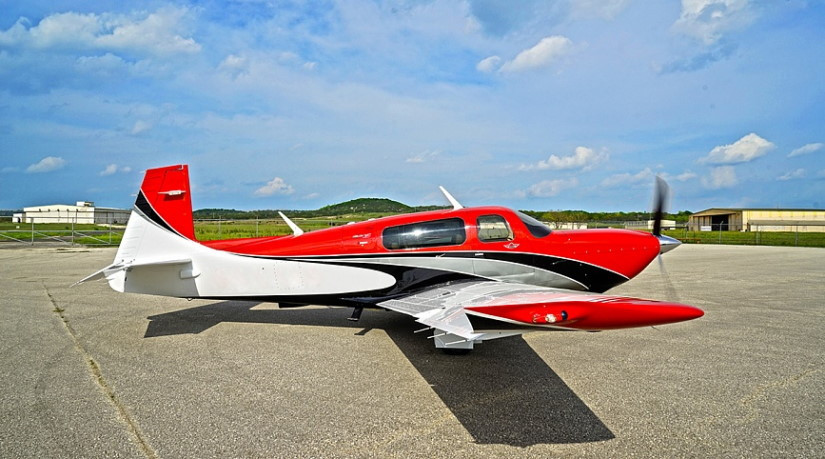
Turbocharged four-seat piston single with a top speed of 448 km/h, flown mostly by owner-pilots. With paying passengers it flies only by day in good visibility, best for one or two people.
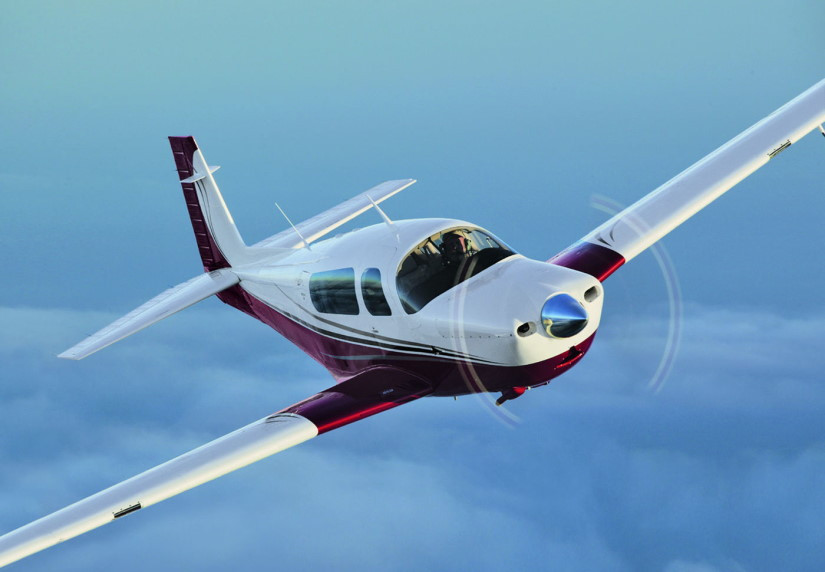
Four-seat single-engine piston aircraft with doors on both sides, flown mostly by private owners. With paying passengers it flies only by day and in good visibility, best for two people on a short leg.
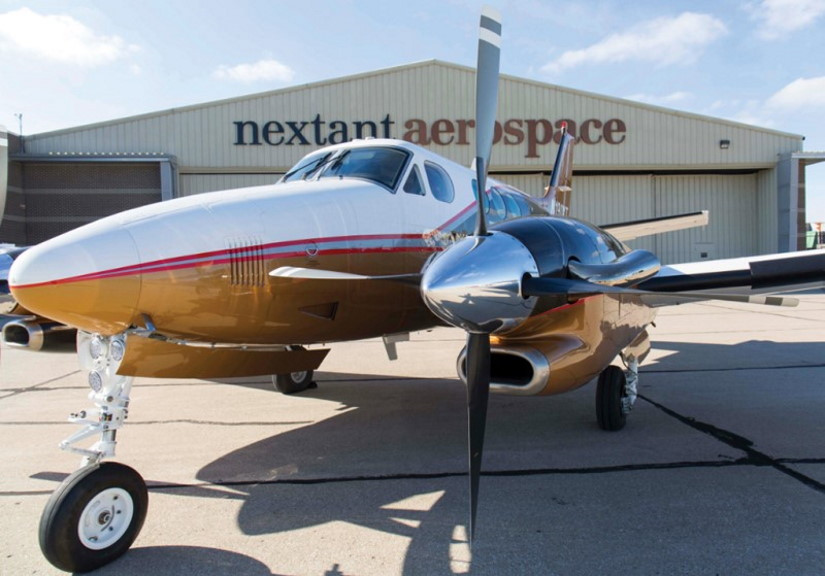
Twin turboprop rebuilt from a King Air C90 with new engines, cockpit and interior. Suits three or four people on legs of up to about two hours, but very few aircraft fly in Europe.
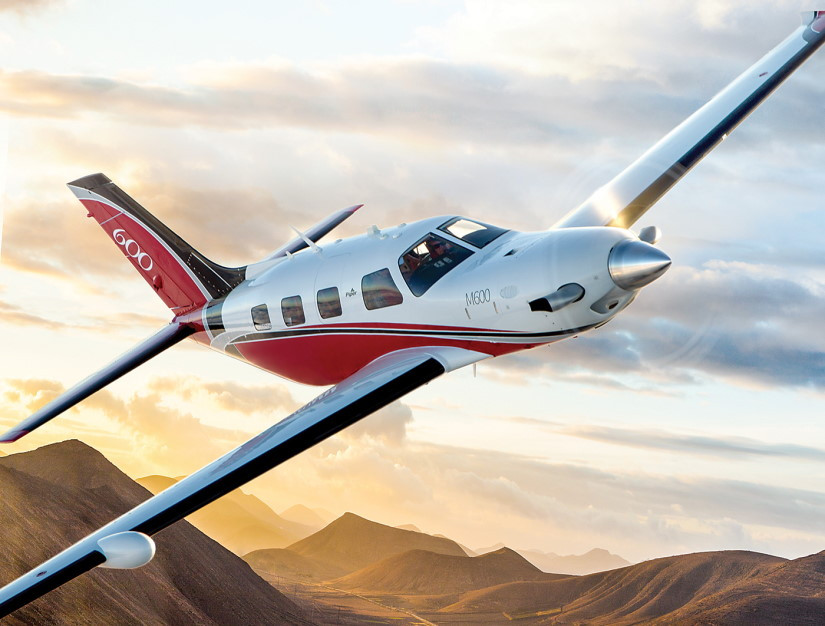
Single-engine turboprop with a pressurised cabin for up to five passengers and larger tanks than the M500. No longer built, rare in charter, best for two or three people on legs up to three hours.
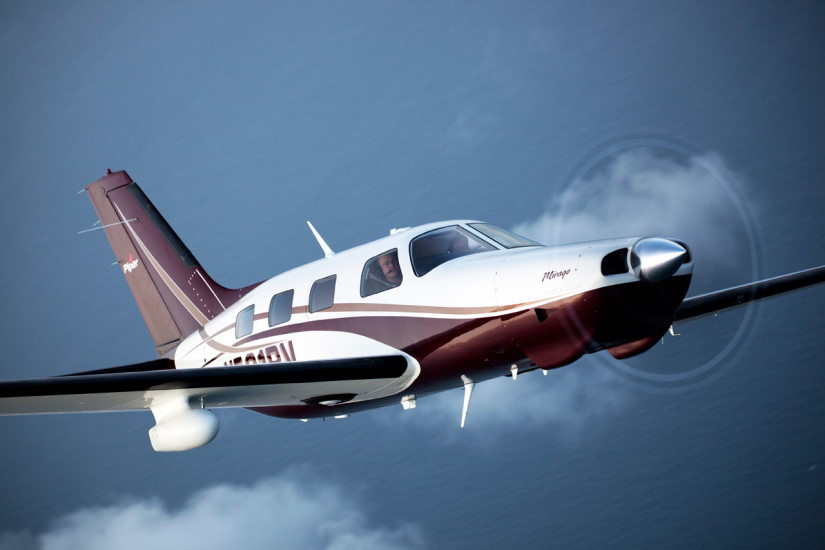
American single-engine turboprop with a pressurised cabin for two to five passengers. Makes most sense for two or three people on legs under two hours, such as Nice - Calvi or Geneva - Saint-Tropez.
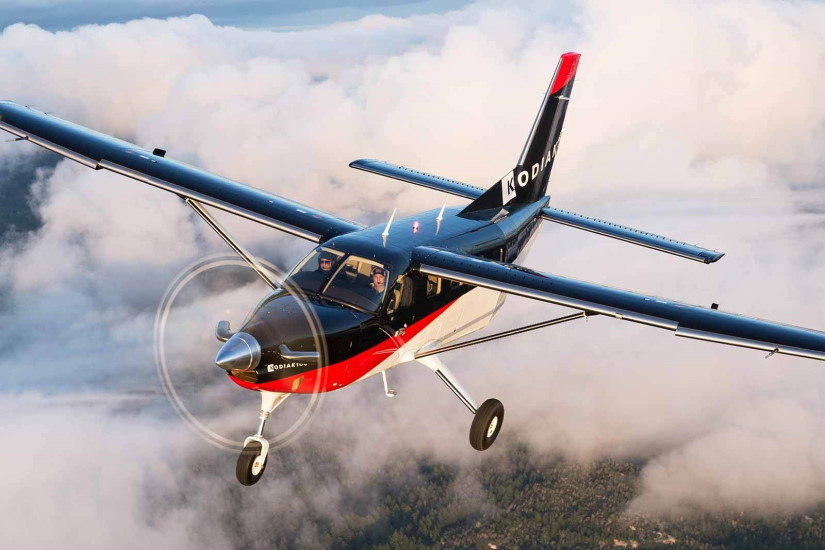
Single-engine utility turboprop with a high wing and fixed landing gear, built for short and unpaved strips. Suits short hops to islands and small airfields; on legs over two hours a pressurised type is more comfortable.
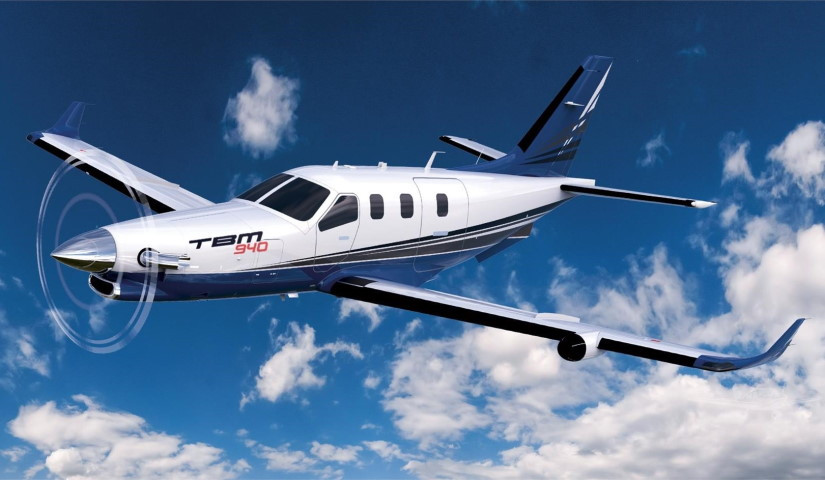
French single-engine turboprop for four or five passengers, no longer built and rare in charter. Fast on legs of one to two hours between business cities, the Riviera, the islands and the Alps.
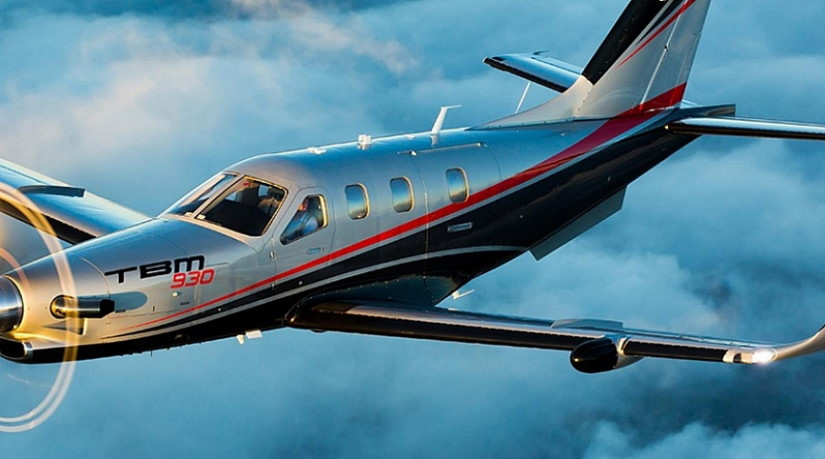
French single-engine turboprop with a touchscreen cockpit and a pressurised cabin for four or five passengers. No longer built; in charter it suits short hops to Alpine airfields, lakes and islands.
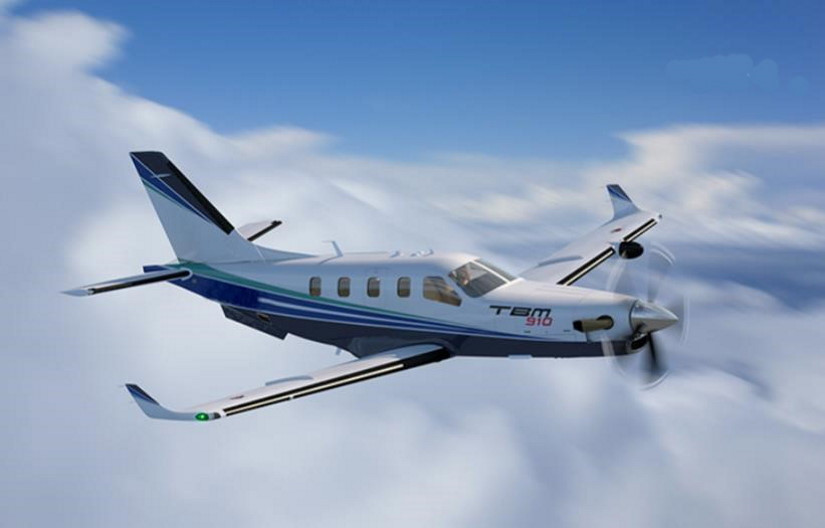
The keypad-cockpit version of the TBM 900 family: one engine, a pressurised cabin for four passengers plus one in front, and up to 611 km/h. No longer built and rarely in charter; good for legs of one to three hours.
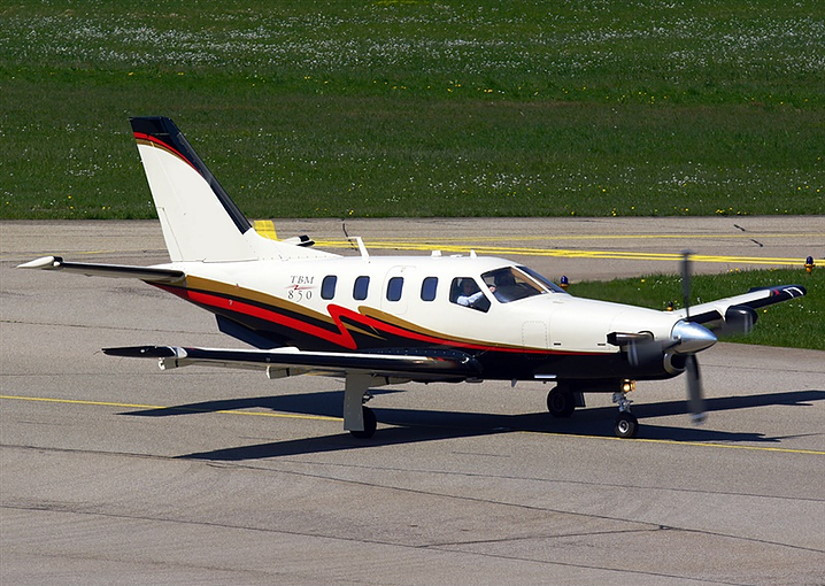
Fast French single-engine turboprop with a pressurised cabin for four passengers and one more next to the pilot. No longer built and rare in charter; suits legs of up to about three hours to the Alps, the Riviera and the islands.
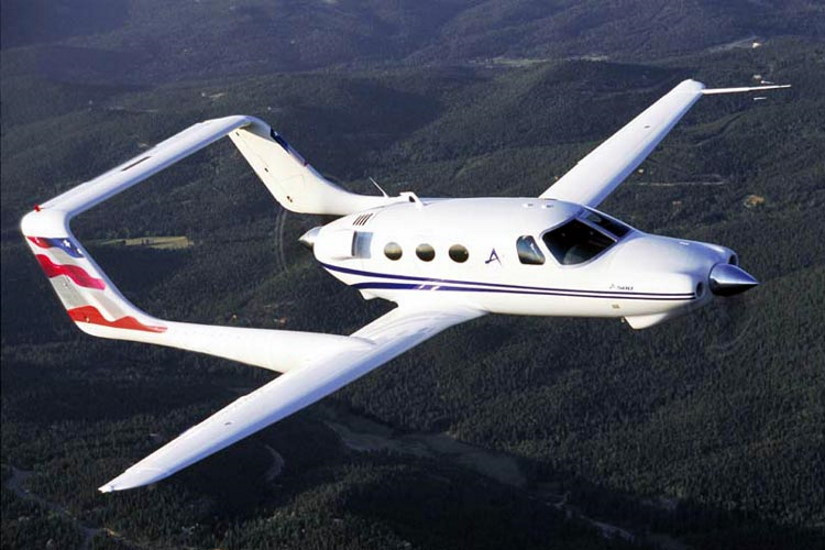
Six-seat piston twin with push-pull engines on the centreline and a pressurised cabin. Only seven were built, so for a charter we usually offer a Seneca, a Navajo or a turboprop of similar size.

Small twin-engine piston aircraft without pressurisation, flown mostly by flying schools and air taxi operators. Suits two to four people with soft bags on regional legs such as London - Jersey or Nice - Calvi.
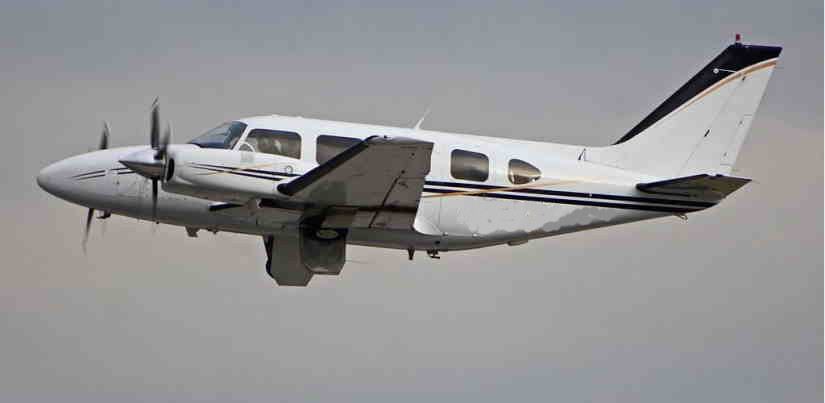
Unpressurised piston twin for groups of four to six on legs of up to about two hours, such as Nice - Olbia or Vienna - Split. No longer built and rare in European charter, so we always quote an alternative.
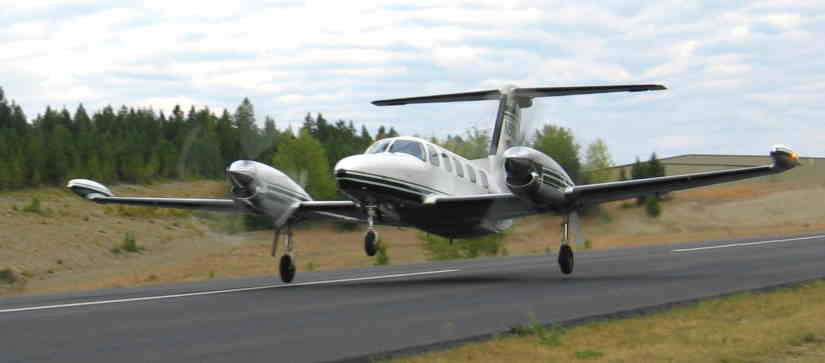
Older twin-engine turboprop with a T-tail and a long, low pressurised cabin for six. Suits business legs of up to about two and a half hours across Europe, but few aircraft are left in charter.
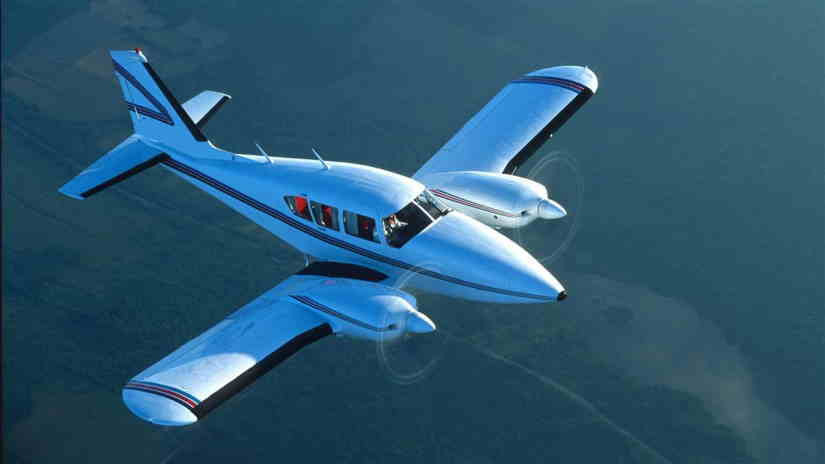
Classic American light twin for three to five passengers on short legs such as Nice - Calvi or Vienna - Budapest. No longer built, and only a few European operators still fly it, so we always quote an alternative.
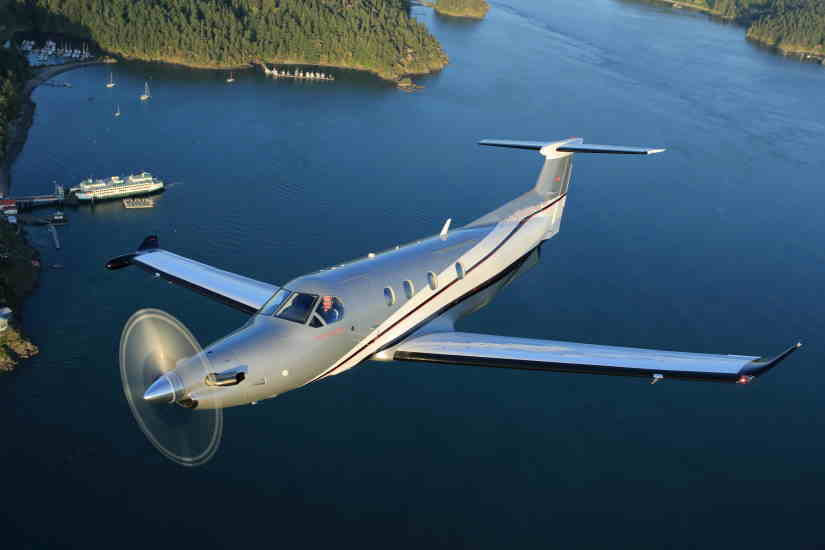
Swiss single-engine turboprop with a pressurised cabin for 6-8 passengers and a large cargo door. Best on legs up to about two and a half hours: islands, the Alps and short or high runways such as La Môle or Samedan.
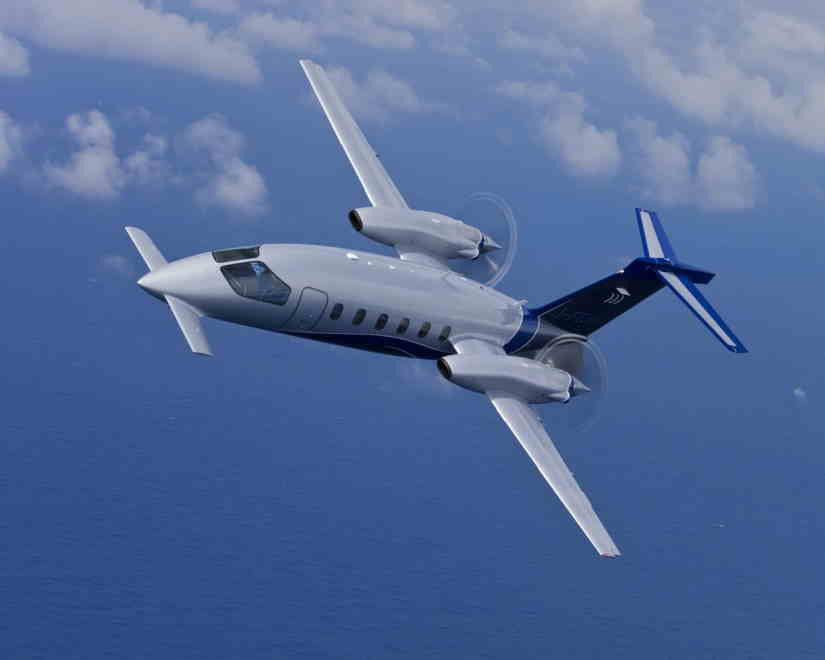
Italian twin turboprop with pusher propellers, a small foreplane and a cabin higher than in most light jets. No longer built in this version; flies legs of up to about three hours almost as fast as a light jet.
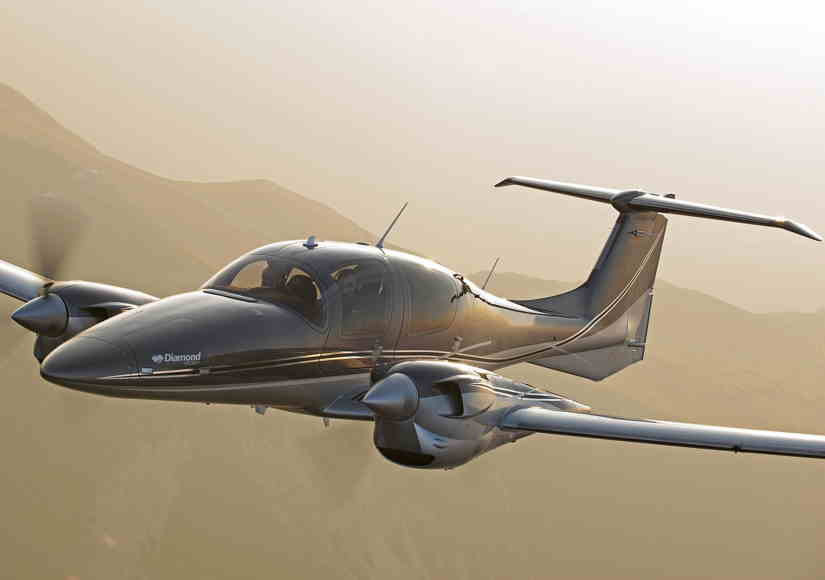
Austrian light twin with diesel engines for one to three passengers on short legs such as Nice - Calvi or Zurich - Sion. Mostly a training aircraft, so charter offers are few and we always quote an alternative.
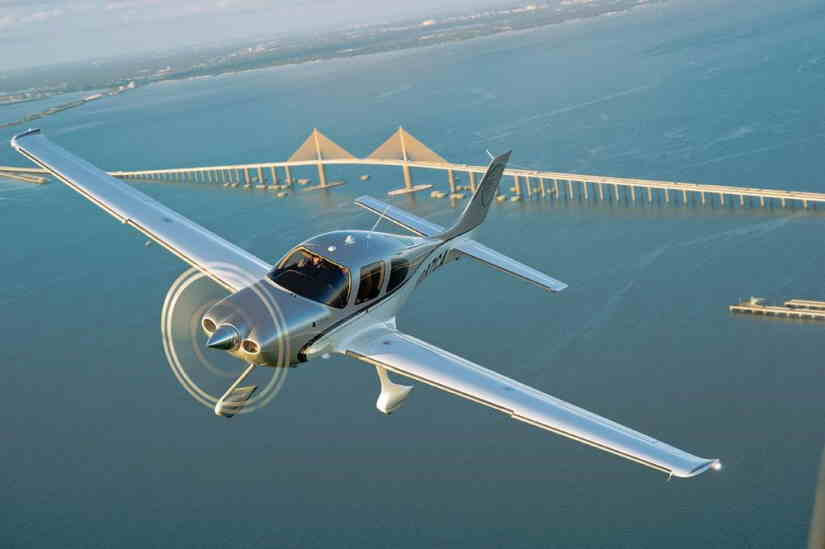
Single-engine piston aircraft with a parachute for the whole airframe, for two or three people on short daytime legs such as Zurich - Sion or Milan - Venice. Few operators fly it commercially, so we always quote an alternative as well.
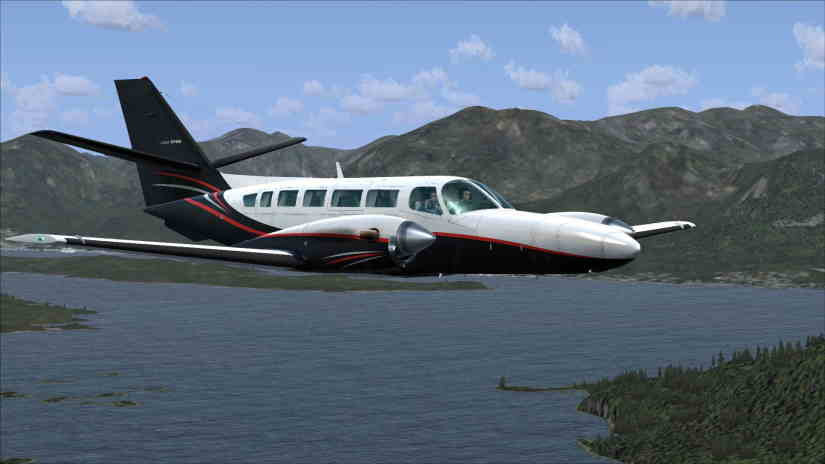
French-built twin turboprop designed as a utility aircraft for regional routes, cargo and maritime patrol. Rare in charter and best on short legs with a group of up to nine.
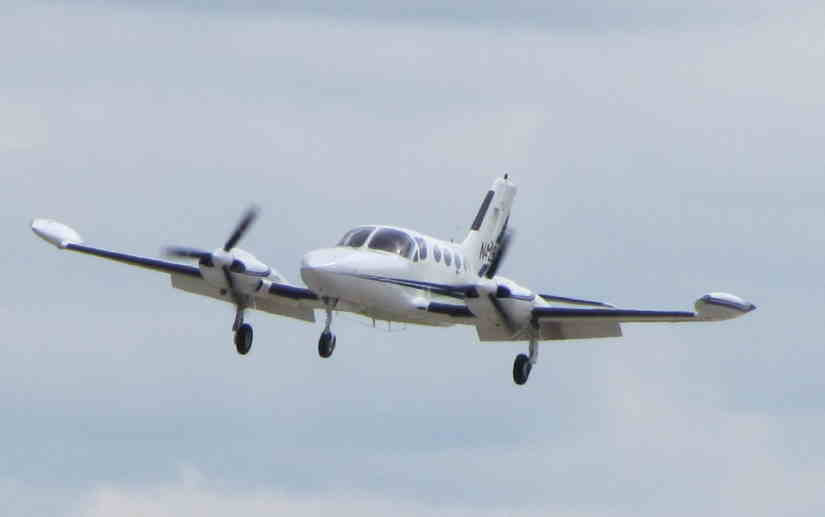
The top model among Cessna's pressurised piston twins, with six passenger seats in a quiet cabin. Sensible on legs of one to three hours, for example to Jersey, Corsica, Split or the Alps.
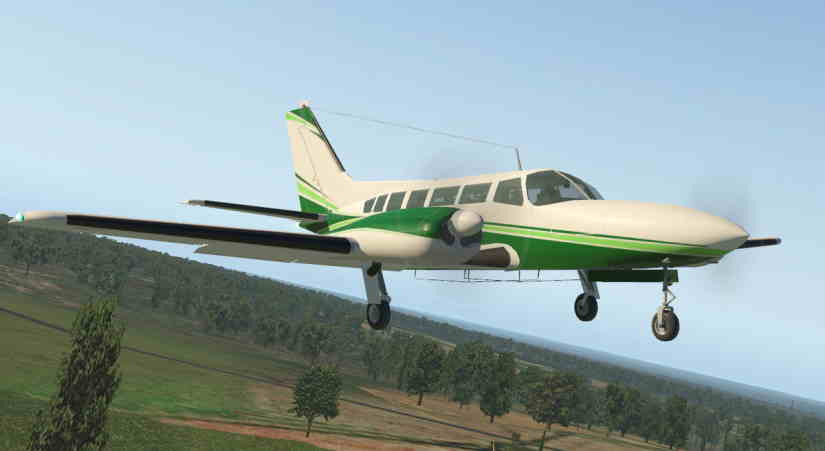
Large twin piston aircraft without pressurisation, usually with nine passenger seats. A low-cost option per person for groups on legs of up to about two hours, but slow, rare and without an enclosed toilet.
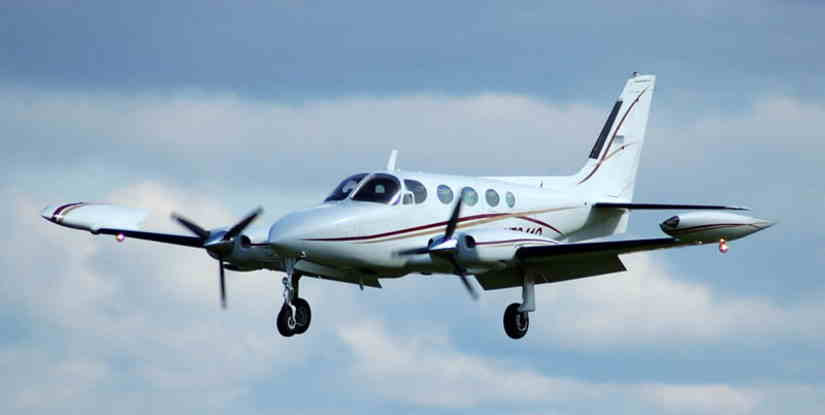
A small twin with turbocharged piston engines and a pressurised cabin for four passengers, plus one seat next to the pilot. Best for two to four people on legs of one to two hours.
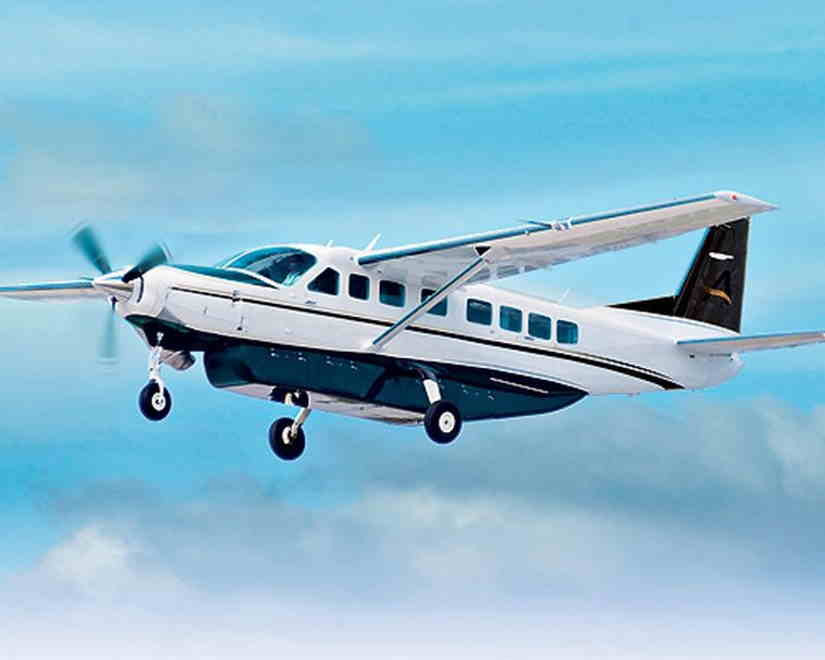
Single-engine utility turboprop for passengers and cargo, with a high wing and fixed gear for short strips. Suits groups with a lot of baggage on legs of up to about two hours, such as islands and regional airports.
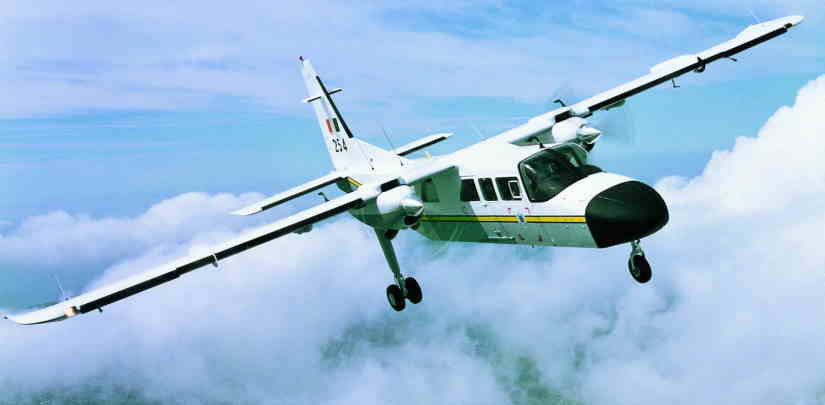
British twin-engine piston aircraft with a high wing and fixed landing gear, built for short hops between islands and small airfields. Up to nine passengers on bench seats, without pressurisation or toilet.
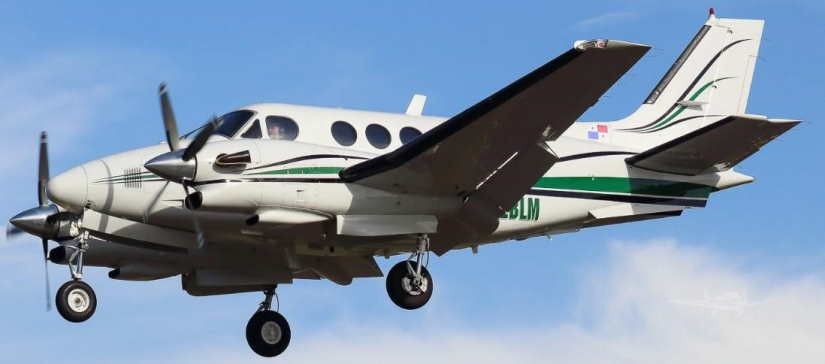
The smallest King Air: a twin-engine turboprop with a pressurised cabin for four to six passengers. No longer built; in charter it covers legs of up to about two and a half hours and short runways such as La Môle or Cannes-Mandelieu.
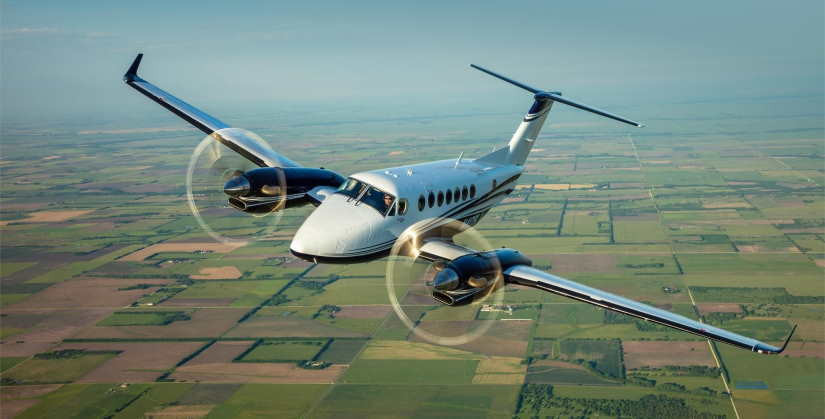
The longest twin turboprop of the King Air family, with eight seats, a toilet at the rear and baggage reachable in flight. Suits groups of six to eight on legs up to about four hours, from EUR 2,600 per flight hour.
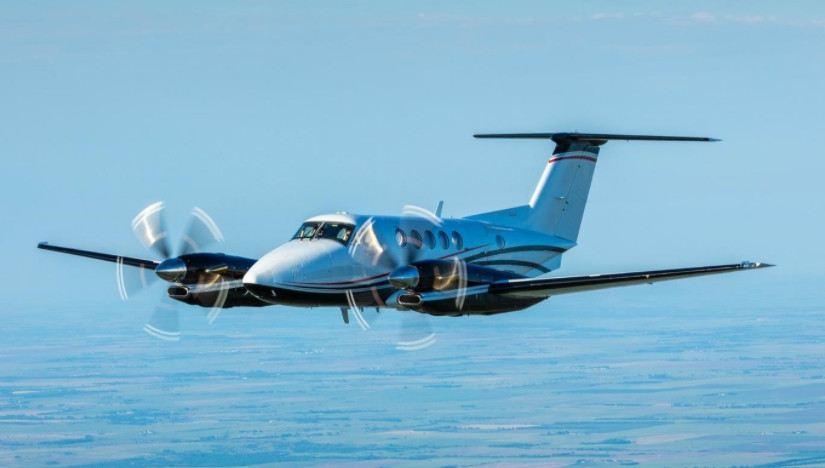
The King Air 200 cabin with the stronger engines later used in the King Air 350. No longer built and rare in European charter, it suits Alpine and hot-weather legs, from EUR 2,300 per flight hour.
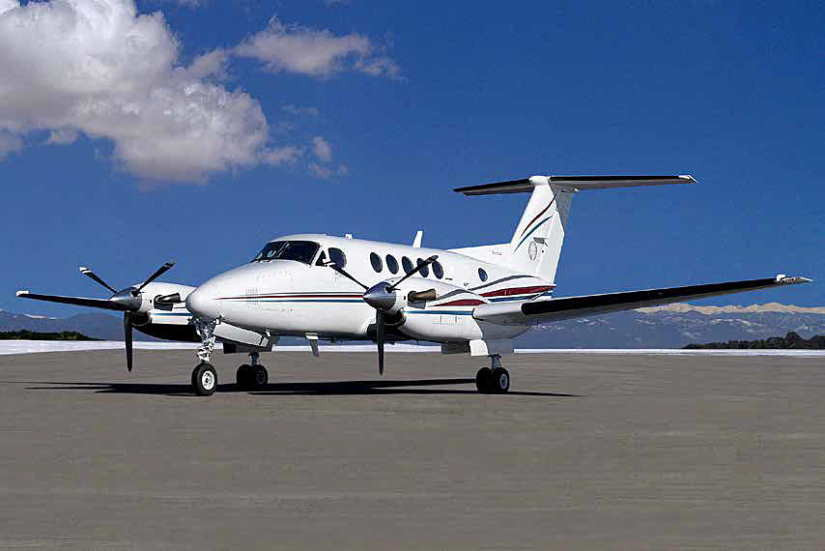
The most common twin turboprop of the King Air family, with a pressurised cabin for four to six passengers and short-runway performance. Best on legs up to about three hours, from EUR 2,300 per flight hour.
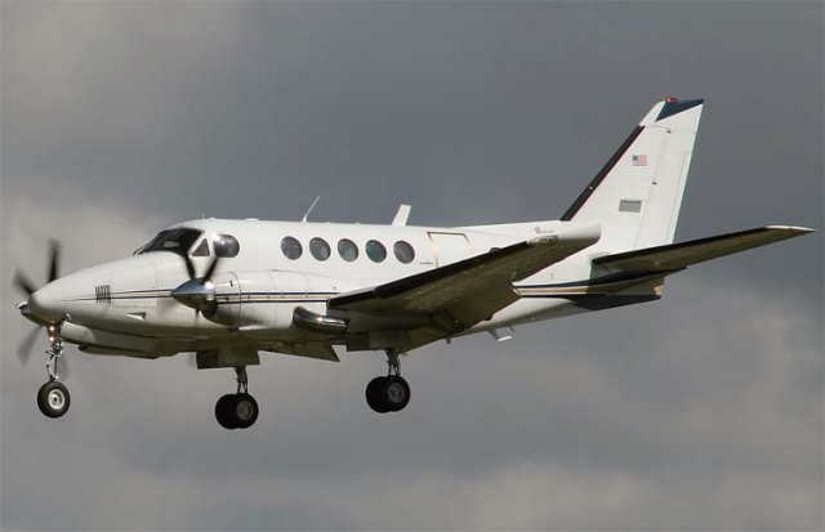
Older twin turboprop with a pressurised cabin for five or six passengers, rare in European charter. Suits legs of up to about two and a half hours, from EUR 2,100 per flight hour.
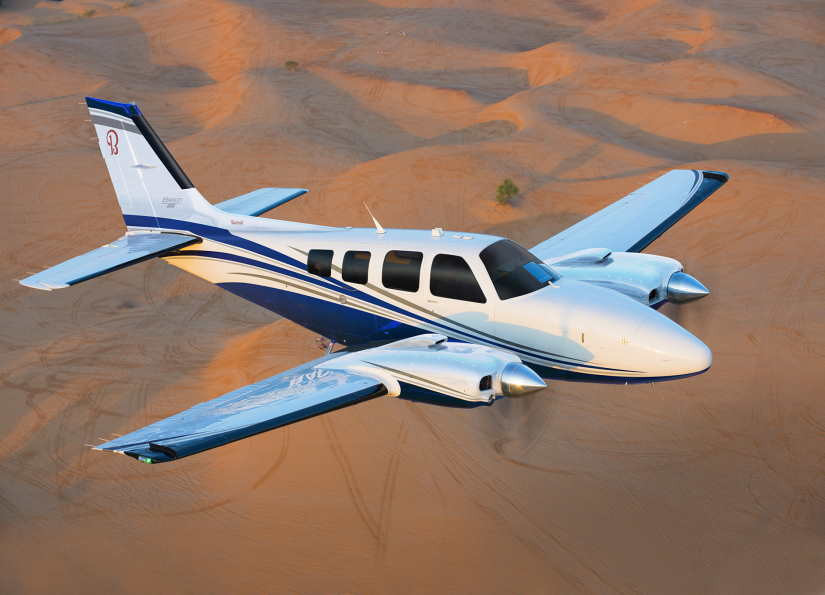
A twin-engine piston aircraft with four club seats and one pilot, without pressurisation or toilet. In Europe it works as an air taxi on legs of one to three hours, for example to Jersey, Corsica or the Alps.
What a turboprop does well
A turbine-powered propeller aircraft takes off and lands in a short distance, and climbs well from hot or high airfields. That gives three advantages for a charter: a lower hourly rate, access to small airports that jets cannot use, and almost the same door-to-door time on trips of under an hour and a half.
The trade-offs are speed and noise. On a three-hour leg a light jet saves 45 minutes to an hour, and the cabin is louder than in a jet. Most turboprops also have a low cabin: you sit comfortably but cannot stand.
One engine or two
Turboprops come with one engine or with two. For a passenger the difference matters mainly for flights in darkness and cloud, and for the price.
- the lowest hourly rates in the class, from EUR 2,000
- the PC-12 has a cargo door 1.35 m wide and may land on grass, gravel and packed snow
- TBMs cruise at up to 611 km/h, quick for one engine
- in the EU, commercial flights at night or in cloud need an operator with a SET-IMC approval
- no SET-IMC approval needed, so a late return in winter is easier to plan
- the King Air 350 seats eight in two club groups, with 2.02 m³ of baggage
- the Avanti offers a 1.75 m cabin and up to 745 km/h
- hourly rates of EUR 2,000-2,600 for the common types
In winter it is dark by late afternoon in northern Europe. For a return after a meeting, choose a twin or a PC-12 or TBM with an operator that holds SET-IMC. We check the approval in every quote.
Turboprop models in the catalogue
The tables give passengers, the manufacturer's range, cruise speed, cabin height, baggage and the starting hourly rate for the whole aircraft with crew.
Single-engine types
| Model | Passengers | Range | Cruise speed | Cabin height | Baggage | Hourly rate |
|---|---|---|---|---|---|---|
| PC-12 | 6-8 | 3,339 km | 537 km/h | 1.47 m | 1.13 m³ | EUR 2,000 |
| TBM 850 | 4-5 | 2,935 km | 593 km/h | 1.22 m | 1.02 m³ | EUR 2,000 |
| TBM 910 | 4-5 | 3,204 km | 611 km/h | 1.22 m | 0.99 m³ | EUR 2,000 |
| TBM 930 | 4-5 | 3,204 km | 611 km/h | 1.22 m | 0.99 m³ | EUR 2,000 |
| TBM 940 | 4-5 | 3,204 km | 611 km/h | 1.22 m | 0.99 m³ | EUR 2,000 |
| M500 | 3-5 | 1,852 km | 482 km/h | 1.18 m | 0.57 m³ | EUR 2,000 |
| M600 | 3-5 | 3,071 km | 507 km/h | 1.18 m | 0.57 m³ | EUR 2,000 |
| Grand Caravan | 8-9 | 1,689 km | 343 km/h | 1.37 m | 4.05 m³ | EUR 2,000 |
| Kodiak | 6-9 | 2,096 km | 322 km/h | 1.45 m | 1.84 m³ | EUR 2,000 |
Twin-engine types
| Model | Passengers | Range | Cruise speed | Cabin height | Baggage | Hourly rate |
|---|---|---|---|---|---|---|
| King Air 90 | 4-7 | 2,334 km | 504 km/h | 1.45 m | 1.36 m³ | EUR 2,000 |
| G90XT | 3-5 | 1,852 km | 509 km/h | 1.45 m | 1.36 m³ | EUR 2,000 |
| King Air 100 | 5-10 | 2,074 km | 491 km/h | 1.45 m | 1.57 m³ | EUR 2,100 |
| King Air 200 | 6-8 | 3,185 km | 574 km/h | 1.45 m | 1.57 m³ | EUR 2,300 |
| King Air 300 | 6-8 | 2,908 km | 578 km/h | 1.45 m | 1.53 m³ | EUR 2,300 |
| King Air 350 | 8-10 | 3,345 km | 578 km/h | 1.45 m | 2.02 m³ | EUR 2,600 |
| Avanti | 6-8 | 2,722 km | 745 km/h | 1.75 m | 1.00 m³ | EUR 2,500 |
| Cheyenne | 6-9 | 2,537 km | 565 km/h | 1.31 m | 1.64 m³ | EUR 2,000 |
| F406 | 7-12 | 2,200 km | 456 km/h | 1.32 m | 0.90 m³ | EUR 2,000 |
The ranges are the manufacturers' best figures. With every seat taken the real range is often less than half of them, so for each route we check weights with the operator.
Cabin, toilet and baggage
| Model | Pressurised | Toilet | Baggage in flight |
|---|---|---|---|
| Pilatus PC-12 | yes | depends on the aircraft | yes |
| TBM 940 | yes | only with the Elite Privacy option | yes |
| Piper M600 | yes | none | yes |
| King Air 200 | yes | at the rear, type depends on the aircraft | yes |
| King Air 350 | yes | at the rear, type depends on the aircraft | yes |
| Piaggio Avanti | yes | at the rear, enclosure depends on the aircraft | no |
| Grand Caravan | no | none | no, the pod is loaded from outside |
| Kodiak | no | none | in the cabin or a pod |
In the King Air family and the PC-12 the baggage area is part of the cabin, so a coat or a bag can be reached during the flight. For skis, golf bags or a bicycle the PC-12 has a cargo door 1.35 m wide. A small dog usually flies in the cabin when the operator agrees before booking.
Short runways, islands and mountains
The short take-off run is the main reason to pick a turboprop for some trips. Airports that suit the class well:
- Saint-Tropez La Môle (1,071 m), where the PC-12 flies from Geneva in 1:11 h and from Paris in 1:57 h.
- The 537 m sloped altiport at Courchevel, open to the PC-12 with a crew qualified for it; no jet can land there.
- Samedan near St. Moritz, about 1,700 m above sea level, with mandatory crew training and instrument approaches only in daylight. The PC-12 flies there from Milan in 0:46 h.
- Lugano and Sion, where the King Air 200 and 90 fly from Zurich in under an hour.
- Islands such as Jersey, Calvi, Figari, Menorca and Sylt, and the Innsbruck valley, where the King Air 300's extra power helps in summer heat.
Summer is the busy season, with the Riviera, Corsica, Sardinia, the Balearics and the Croatian coast. In winter the class brings skiers to Samedan, Sion, Innsbruck and Courchevel. For winter sun in the Gulf or the Canaries from northern Europe a jet is the better tool.

Turboprop prices and flight times
The table gives one-way prices for the whole aircraft, crew and fuel included, without airport fees and passenger taxes. Flight times cover taxiing as well as the time in the air, and no leg needs a refuelling stop.
| Route | Aircraft | Distance | Flight time | Price from |
|---|---|---|---|---|
| Zurich - Sion (SIR) | King Air 90 | 166 km | 0:52 h | EUR 5,500 |
| Zurich - Lugano (LUG) | King Air 200 | 164 km | 0:50 h | EUR 6,500 |
| Geneva - Lugano (LUG) | TBM 850 | 217 km | 0:54 h | EUR 6,000 |
| Milan Linate - Samedan (SMV) | PC-12 | 130 km | 0:46 h | EUR 6,500 |
| Munich - Samedan (SMV) | Kodiak | 248 km | 1:18 h | EUR 6,500 |
| Milan Linate - Innsbruck (INN) | King Air 300 | 257 km | 0:59 h | EUR 7,000 |
| Nice - Calvi (CLY) | King Air 200 | 179 km | 0:52 h | EUR 7,000 |
| Nice - Figari (FSC) | Grand Caravan | 285 km | 1:22 h | EUR 6,500 |
| London Farnborough - Jersey (JER) | TBM 940 | 251 km | 0:57 h | EUR 6,000 |
| London Farnborough - Paris (LBG) | TBM 940 | 344 km | 1:07 h | EUR 6,500 |
| Paris Le Bourget - Geneva (GVA) | TBM 940 | 409 km | 1:14 h | EUR 6,500 |
| Hamburg - Copenhagen (CPH) | King Air 200 | 280 km | 1:04 h | EUR 7,000 |
| Amsterdam - London (FAB) | King Air 200 | 398 km | 1:18 h | EUR 8,000 |
| London Farnborough - Isle of Man (IOM) | PC-12 | 406 km | 1:20 h | EUR 7,500 |
| Geneva - Saint-Tropez (LTT) | PC-12 | 339 km | 1:11 h | EUR 7,000 |
| Paris Le Bourget - Saint-Tropez (LTT) | PC-12 | 712 km | 1:57 h | EUR 8,500 |
| Paris Le Bourget - Cannes (CEQ) | Avanti | 695 km | 1:33 h | EUR 8,500 |
| Milan Linate - Rome (CIA) | Avanti | 485 km | 1:14 h | EUR 8,000 |
| Milan Linate - Olbia (OLB) | King Air 90 | 506 km | 1:37 h | EUR 7,000 |
| Nice - Menorca (MAH) | TBM 940 | 490 km | 1:22 h | EUR 7,000 |
| Madrid - Ibiza (IBZ) | PC-12 | 460 km | 1:26 h | EUR 7,500 |
| Vienna - Split (SPU) | PC-12 | 509 km | 1:32 h | EUR 8,000 |
| Vienna - Dubrovnik (DBV) | G90XT | 631 km | 1:51 h | EUR 7,500 |
| Larnaca - Rhodes (RHO) | PC-12 | 529 km | 1:35 h | EUR 8,000 |
| Hamburg - Oslo (OSL) | King Air 350 | 733 km | 1:54 h | EUR 10,000 |
| Zurich - Palma (PMI) | M600 | 996 km | 2:34 h | EUR 9,000 |
| Madrid - Marrakesh (RAK) | King Air 200 | 1,066 km | 2:38 h | EUR 11,000 |
| Madrid - Tenerife (TFS) | King Air 350 | 1,824 km | 3:58 h | EUR 15,500 |
The shorter the leg, the more the fixed costs weigh. Zurich - Sion in a King Air 90 takes 0:52 h at EUR 2,000 per hour, yet starts at EUR 5,500. Positioning, the operator's minimum charge, the pilots and handling make up the rest. On longer legs the hourly part takes over: Hamburg - Oslo in a King Air 350 costs from EUR 10,000 and Madrid - Tenerife (3:58 h) from EUR 15,500.
On a short route a turboprop is often cheaper than a very light jet, since its hourly rate starts at EUR 2,000 against EUR 2,500. London - Paris in a TBM 940 starts at EUR 6,500. Beyond about two hours the speed of a jet narrows the gap.
Business jet price per flight hour


What goes into the final quote:
- flight time at the hourly rate of the type, with fuel and pilots
- positioning, usually short for the PC-12 and King Air 200, which many European operators fly
- pilot hotel and allowances when the aircraft waits for a return on another day, or two empty legs instead
- landing, parking and handling fees, lower than for a jet because of the weight, higher at Nice and Geneva
- passenger taxes: France charges about half the jet rate for a turboprop, and Italy, Austria and Germany add their own; most types weigh under 5.7 t, so they pay neither UK Air Passenger Duty nor the Dutch passenger tax
- catering ordered in advance and de-icing on winter mornings
How to pay less
- Ask for a PC-12 and a King Air 200 together: both are common, and the nearest free one saves positioning.
- Return the same day where the pilots' duty time allows, so no hotel is needed.
- Keep the time flexible, so an aircraft finishing a trip nearby can take yours.
- For two or three people on a short leg, a TBM or Piper M600 costs less than a King Air.
- Choose an older version of the same type, such as a King Air B200 instead of a 250 or 260, where the route allows.
Empty Legs are regular on the PC-12 and King Air 200, often after air taxi or medical flights and in summer between northern Italy, Switzerland, the Riviera, Corsica and Sardinia. They can be 40-65 % cheaper than a normal charter.
European rules for turboprop flights
Piston aircraft
The catalogue has no separate piston section, so thirteen piston types appear on this page, from the Cirrus SR22 and the Mooneys to the nine-seat Cessna 404 Titan and the Britten-Norman Islander. They are the cheapest aircraft to hire, but they fly at about 260-450 km/h, and most have neither pressurisation nor a toilet. They suit short legs of under two hours, such as Nice - Calvi or London - Jersey.
| Model | Passengers | Range | Cruise speed | Cabin height | Hourly rate |
|---|---|---|---|---|---|
| Titan | 6-9 | 3,410 km | 393 km/h | 1.30 m | EUR 1,600 |
| Cessna 421 | 4-6 | 2,754 km | 444 km/h | 1.30 m | EUR 1,500 |
| Cessna 340 | 4-5 | 2,603 km | 424 km/h | 1.24 m | EUR 1,400 |
| Navajo | 5-7 | 1,875 km | 383 km/h | 1.30 m | EUR 1,300 |
| Baron 58 | 4-5 | 2,741 km | 374 km/h | 1.27 m | EUR 1,200 |
| Aztec | 4-5 | 2,445 km | 306 km/h | 1.36 m | EUR 1,000 |
| Seneca | 4-6 | 1,611 km | 370 km/h | 1.06 m | EUR 1,000 |
| A500 | 3-5 | 1,652 km | 410 km/h | 1.30 m | EUR 1,000 |
| DA42 | 2-3 | 2,269 km | 352 km/h | 1.20 m | EUR 900 |
| SR22 | 3-4 | 2,165 km | 339 km/h | 1.27 m | EUR 900 |
| M20U | 2-3 | 2,685 km | 365 km/h | 1.11 m | EUR 1,000 |
| M20V | 2-3 | 2,361 km | 448 km/h | 1.11 m | EUR 1,100 |
| Islander | 6-9 | 1,398 km | 259 km/h | 1.24 m | EUR 900 |
The Cessna 340 and 421 and the Adam A500 are pressurised, so they fly higher than the others. Single-engine pistons such as the Cirrus SR22 and the Mooneys may carry paying passengers only by day and in conditions that allow flight with visual reference. The Islander, a high-wing twin with fixed landing gear and up to nine seats, is built for short island hops and small airstrips.
When a jet is the better choice
How to book
Send us the following, and we come back with turboprop offers from operators that hold an Air Operator Certificate:
- route, date and departure time, with a note if the return is after dark
- number of passengers with approximate weights for small aircraft, and bags, with skis, golf bags and bicycles listed separately
- pets: species, weight and carrier
- special airports such as Courchevel, La Môle, Samedan or a grass strip
- whether two engines or two pilots matter to you
The quote names the operator, the type and year of the aircraft, positioning and taxes, and states whether a single-engine aircraft has SET-IMC approval. Call +357 96407410 between 08:00 and 23:30 or write to private@jets.flights at any time.
Why book a turboprop through us
Many turboprops are flown by small regional air taxi companies with one or two aircraft. We check which of them hold SET-IMC approval, which crews are trained for Courchevel or Samedan and which aircraft have a toilet, and we put that into the quote.
Through operators we have access to about 6,500 aircraft, so a light jet can go into the same offer when it suits the route better.
-

-
Reputation
-
14 years in business aviation in Europe, with the head office in Cyprus and offices in Nice, Hamburg and Geneva. More than 100 regular clients and 34 partner companies around the world.
-

-
A wide choice of aircraft
-
Through certified operators we have access to around 6,500 private jets and turboprops. We select an aircraft for a flight of any range and complexity.
-

-
Transparent contracts
-
Every flight is covered by a clear contract stating the aircraft, times, included services and cancellation terms. We are flexible and always ready to discuss details and make changes.
-

-
Online booking
-
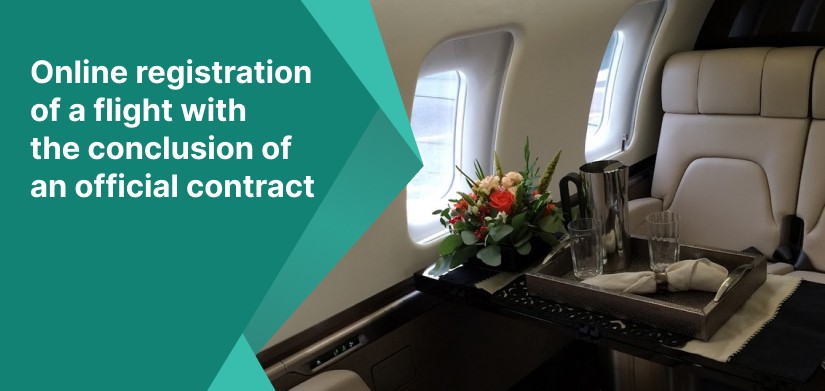
You can book the flight and sign the contract remotely, without visiting an office. If you prefer, all documents can also be arranged in person at one of our offices.
Our team

Charlotte McKinney
Commercial Director

Henry Richter
Head of Aviation Department and Data Protection Officer
Emma Miller
Director of Development

Liam Bishop
Senior Aviation Consultant

Oliver Davis
Aviation Consultant
Anna Laurent
Aviation Consultant
Questions about turboprop charter
-
- How much does it cost to charter a turboprop?
-
Hourly rates start at EUR 2,000 for the whole aircraft with crew and fuel. One way, Zurich - Sion starts at EUR 5,500, London - Paris at EUR 6,500 and Paris - Saint-Tropez at EUR 8,500, before airport fees and passenger taxes.
-
- Is a turboprop safe?
-
Turboprops fly under the same EU rules as jets when an operator with an Air Operator Certificate carries passengers. Single-engine types may fly at night or in cloud only when the operator holds a SET-IMC approval, which we check for every quote.
-
- How many passengers fit in a turboprop?
-
Four to eight in most types. The TBM takes four or five and the Piper M600 two or three with full tanks, the PC-12 and King Air 200 six to eight, and the King Air 350 eight in two club groups.
-
- Is a turboprop much slower than a jet?
-
On legs under an hour and a half the difference is a few minutes. On a three-hour leg a light jet saves 45 minutes to an hour; the Piaggio Avanti, at up to 745 km/h, comes closest to jet speed.
-
- Can a turboprop land at Courchevel or Saint-Tropez?
-
The PC-12 can land at the Courchevel altiport with a qualified crew, and at Saint-Tropez La Môle; the table shows Geneva - Saint-Tropez from EUR 7,000. No jet can use Courchevel.
-
- Is there a toilet on board?
-
It depends on the aircraft. King Airs usually have one at the rear, the PC-12 and TBM only in some layouts, and the Grand Caravan, Kodiak and Piper M600 have none.
-
- Does UK Air Passenger Duty apply?
-
Not on the PC-12, TBM, King Air 200 or Avanti, which weigh under 5.7 t. The heavier King Air 300 and 350 pay it.
-
- Are Empty Legs available on turboprops?
-
Yes, mainly on the PC-12 and King Air 200 and mostly in summer. They can be 40-65 % cheaper than a full charter, but date and route are fixed by the operator.
-
- Why are piston aircraft listed with turboprops?
-
The catalogue has no separate piston section, so types such as the Cirrus SR22, the Cessna 421 and the Britten-Norman Islander appear here. They cost less per hour but fly slower, mostly without pressurisation, and suit legs of under two hours.
The aviation expert will answer all your questions about business aviation and private flights. We will help you to compare and choose the best business jet for your flight.