
Private jet to Nepal
Eight of the world's ten highest mountains stand wholly or partly in Nepal, Everest among them at 8,848.86 m. Most private flyers come for the Himalaya: a trek towards Everest or around Annapurna, a helicopter flight to the base camp area, or an expedition with heavy kit. Others come for the temples and royal squares of the Kathmandu valley, for Lumbini, the birthplace of the Buddha, or for the lake at Pokhara.
The long sector ends at Tribhuvan airport in Kathmandu, on a plateau 1,338 m above sea level and ringed by hills. The approach has no ILS, so the captain of a foreign aircraft needs simulator training in the airport's procedures, and every flight needs a permit from the civil aviation authority (CAAN), filed through an agent in Kathmandu. As a broker, we find an operator with a trained crew, plan the permit timeline and book the helicopter or the domestic flight into the mountains with the long-haul jet.
Send the dates, the number of passengers, the region of Nepal and any trek, helicopter flight or second country in the plan. A consultant replies with aircraft, permit timing and price.
What a private flight changes on a Himalaya trip

Flight times from Europe
Block times as in the tables further down; a fuel stop, where there is one, accounts for roughly 1:30 h:
On the map the shortest line from western Europe to Nepal runs through airspace that European operators cannot use. They fly further south and around Iran, over Turkey, the Gulf and northern India, so the distances in the tables are 14 % longer than on the map. A long-range jet still flies from every hub without landing; super midsize and heavy jets refuel once, usually in the Gulf. Customs in Kathmandu closes at 00:30, so a late arrival is replanned, sometimes with a night in Dubai.

Prices for a private flight to Nepal
Each figure buys the whole aircraft for one flight in one direction; the CAAN permit, handling, airport charges and taxes are added, and the jet is assumed to start from a base near the departure city. The flight time is that of the first aircraft in each row.
From the European hubs, Istanbul, Athens and Warsaw
| Route | Distance | Flight time | Super midsize Praetor 600 |
Heavy jet Challenger 650 |
Long range Global 6000 |
|---|---|---|---|---|---|
| London Farnborough - Kathmandu | 8,420 km | 12:32 h, 1 stop | EUR 85,000 | EUR 105,000 | EUR 130,000 |
| Paris Le Bourget - Kathmandu | 8,243 km | 12:18 h, 1 stop | EUR 84,000 | EUR 105,000 | EUR 125,000 |
| Geneva - Kathmandu | 8,019 km | 12:01 h, 1 stop | EUR 82,000 | EUR 105,000 | EUR 120,000 |
| Zurich - Kathmandu | 7,780 km | 11:44 h, 1 stop | EUR 80,000 | EUR 100,000 | EUR 120,000 |
| Milan Linate - Kathmandu | 7,767 km | 11:43 h, 1 stop | EUR 80,000 | EUR 100,000 | EUR 120,000 |
| Munich - Bhairahawa | 7,344 km | 11:11 h, 1 stop | EUR 76,000 | EUR 96,000 | EUR 110,000 |
| Frankfurt - Kathmandu | 7,722 km | 11:39 h, 1 stop | EUR 79,000 | EUR 100,000 | EUR 120,000 |
| Vienna - Kathmandu | 7,093 km | 10:52 h, 1 stop | EUR 74,000 | EUR 93,000 | EUR 110,000 |
| Amsterdam - Kathmandu | 7,968 km | 11:58 h, 1 stop | EUR 81,000 | EUR 100,000 | EUR 120,000 |
| Madrid - Kathmandu | 9,086 km | 13:21 h, 1 stop | EUR 91,000 | EUR 115,000 | EUR 140,000 |
| Nice - Kathmandu | 7,998 km | 12:00 h, 1 stop | EUR 82,000 | EUR 105,000 | EUR 120,000 |
| Hamburg - Kathmandu | 7,548 km | 11:26 h, 1 stop | EUR 78,000 | EUR 98,000 | EUR 115,000 |
| Larnaca - Kathmandu | 5,616 km | 7:31 h | EUR 51,000 | EUR 66,000 | EUR 89,000 |
| Istanbul - Kathmandu | 5,997 km | 8:00 h | EUR 54,000 | EUR 69,000 | EUR 93,000 |
| Athens - Kathmandu | 6,553 km | 10:11 h, 1 stop | EUR 69,000 | EUR 87,000 | EUR 100,000 |
| Warsaw - Bhairahawa | 6,585 km | 10:14 h, 1 stop | EUR 70,000 | EUR 88,000 | EUR 100,000 |
With one stop the Praetor 600 costs EUR 74,000 from Vienna and EUR 85,000 from London; non-stop in the Global 6000 the same routes cost EUR 110,000 and EUR 130,000. From Larnaca and Istanbul the Praetor 600 needs no stop at all: EUR 51,000 and EUR 54,000. Munich - Bhairahawa, for Lumbini, costs EUR 76,000 with a stop.
From India, Bhutan, Bangladesh, Thailand and the Gulf
Short routes from the neighbouring countries and the Gulf, to all three Nepalese airports:
| Route | Distance | Flight time | Light jet Phenom 300 |
Midsize jet Praetor 500 |
Super midsize Challenger 350 |
|---|---|---|---|---|---|
| Delhi - Kathmandu | 816 km | 1:35 h | EUR 12,000 | EUR 14,000 | EUR 16,500 |
| Delhi - Pokhara | 678 km | 1:24 h | EUR 11,500 | EUR 13,000 | EUR 15,500 |
| Varanasi - Bhairahawa | 235 km | 0:49 h | EUR 9,500 | EUR 10,500 | EUR 12,000 |
| Kolkata - Kathmandu | 641 km | 1:21 h | EUR 11,000 | EUR 13,000 | EUR 15,000 |
| Paro - Kathmandu | 402 km | 1:02 h | EUR 10,000 | EUR 11,500 | EUR 13,000 |
| Dhaka - Kathmandu | 662 km | 1:23 h | EUR 11,500 | EUR 13,000 | EUR 15,000 |
| Bangkok - Kathmandu | 2,230 km | 3:28 h | EUR 18,500 | EUR 23,000 | EUR 28,000 |
| Mumbai - Kathmandu | 1,592 km | 2:37 h | EUR 15,500 | EUR 19,000 | EUR 23,000 |
| Dubai World Central - Kathmandu | 3,019 km | 4:32 h | EUR 22,000 | EUR 28,000 | EUR 34,000 |
| Doha - Kathmandu | 3,360 km | 4:42 h | on request | EUR 29,000 | EUR 36,000 |
Delhi - Kathmandu costs EUR 12,000 in a Phenom 300, Varanasi - Bhairahawa EUR 9,500 in 0:49 h, and Paro - Kathmandu EUR 10,000 in 1:02 h. Only an operator whose crew is qualified for Paro can fly the Bhutan sector, and only by day. From Doha the light jet would need a stop, so that cell is on request; the Praetor 500 takes 4:42 h for EUR 29,000. Delhi - Pokhara is EUR 11,500, subject to customs being confirmed at Pokhara for the date.
Over eight to twelve hours, flying time makes up most of the price, and so does the empty sector when the jet has to come out to collect you or go home alone. Kathmandu has no hangars for visiting aircraft and little apron space, so for a trek of two or three weeks the aircraft flies home and comes back, and the return is priced as a second sector. The quote also carries the overflight fees of each country on the way and the handling at the fuel stop. In Europe the passenger tax follows the departure airport: Italy charges EUR 200 per passenger on any flight to or from the country longer than 1,500 km, Milan included; Austria charges EUR 12; France has a solidarity tax for business jets that grows with distance, from about EUR 420 per passenger within Europe to about EUR 2,100 on routes as long as this one. Germany and Norway levy departure taxes, and the Netherlands a tax per passenger on aircraft of 5.7 t or more. UK Air Passenger Duty is charged at the higher private-jet rate on aircraft of 20 t or more with fewer than 19 seats, such as the Challenger 650 and the Global 6000, and other jets pay the standard rate of their distance band. Nepalese charges are listed in the quote.
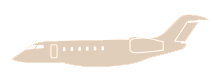
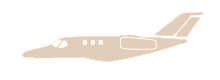
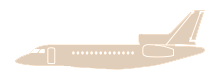
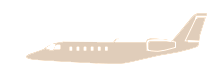
Business jet price per flight hour

Three trips worked through
Price per person
Split across the group, the same charter looks like this; taxes charged per head are not included:
| Route | Aircraft | Whole aircraft | 2 passengers | 4 passengers | 8 passengers |
|---|---|---|---|---|---|
| Larnaca - Kathmandu | Praetor 600 | EUR 51,000 | EUR 25,500 | EUR 12,800 | EUR 6,400 |
| Vienna - Kathmandu | Praetor 600 | EUR 74,000 | EUR 37,000 | EUR 18,500 | EUR 9,300 |
| London Farnborough - Kathmandu | Challenger 650 | EUR 105,000 | EUR 52,500 | EUR 26,300 | EUR 13,100 |
| Zurich - Kathmandu | Global 6000 | EUR 120,000 | EUR 60,000 | EUR 30,000 | EUR 15,000 |
Calculator
Starting somewhere else, or flying both ways? The calculator sends a first figure by e-mail:
It works on map distance; the real offer then adds the detour around closed airspace, any fuel stop and where the nearest free aircraft happens to be.
Airports in Nepal for business jets
Nepal has three international airports: Kathmandu, Pokhara and Bhairahawa. A foreign aircraft lands only where its permit allows, and we plan none of the mountain or Terai airstrips for a business jet.
| Airport | Codes | Runway | Elevation | Use |
|---|---|---|---|---|
| Kathmandu Tribhuvan | KTM / VNKT | over 3,000 m | 1,338 m | Main gateway, trained crews, 06:00-00:30 |
| Bhairahawa | BWA / VNBW | 3,000 m | 105 m | Lumbini, alternate |
| Pokhara | VNPR | 2,500 m | 804 m | Annapurna, customs confirmed per trip |
| Lukla | LUA / VNLK | 527 m | 2,846 m | Helicopters and small aircraft only |
The runways at Kathmandu, Bhairahawa and Pokhara take every aircraft in the price tables. At Kathmandu the elevation and the warm afternoons limit take-off weight, so a long sector home with a full cabin may include a fuel stop even in a long-range jet.
Permits and timing
- The AIP asks for applications for a non-scheduled landing at least 15 working days ahead; agents quote about seven days for charters. We plan on the longer figure.
- The application names operator, aircraft, registration, schedule in UTC, entry and exit points and purpose, with the aircraft certificates; a change of date, aircraft or route can mean an amended permit.
- An aircraft that only crosses Nepal needs its own overflight permission.
- During Dashain and Tihar public offices close for several days, so permits are filed before the holidays start.
- Parking at Kathmandu is confirmed in writing; if it cannot be given, the aircraft positions to Delhi or Dubai and returns.
From the airport onwards
Which aircraft for Kathmandu
| Class | Typical model | Seats | Where it fits |
|---|---|---|---|
| Light jet | Phenom 300, Citation CJ3 | 6-8 | Delhi, Varanasi, Paro, Dhaka, Bangkok |
| Midsize jet | Praetor 500, Citation XLS+ | 8-9 | The Gulf, Mumbai |
| Super midsize | Praetor 600, Challenger 350 | 9-10 | Europe with one stop, Larnaca and Istanbul non-stop |
| Heavy jet | Challenger 650, Legacy 650 | 12-13 | Groups with one stop, large hold |
| Long range | Global 6000, Falcon 7X | 12-14 | Non-stop from every European hub |
| Ultra long range | Gulfstream G650, Global 7500 | 14-17 | Fastest, reserve for the hot-weather departure home |
For a couple or a small family, the Praetor 600 with a stop is the lowest price. For an expedition team, a heavy or long-range cabin carries the kit in one load. A sector of over eight hours needs an augmented crew or a rest period before the aircraft can fly back. See ultra long range jets and heavy jets in the catalogue.
When to go: the year month by month
October to December is the best stretch: the monsoon has gone, the air is dry and the mountains stand clear. March to May is the second trekking season, with Everest expeditions peaking in May. From mid-June to September the monsoon brings cloud that closes approaches and landslides that cut roads. Empty Legs are scarce at any time, slightly more frequent in the spring and autumn trekking seasons, when operators fly home empty after dropping groups in Kathmandu. Most festivals follow the lunar calendar and move between years.
Empty Legs to and from Nepal
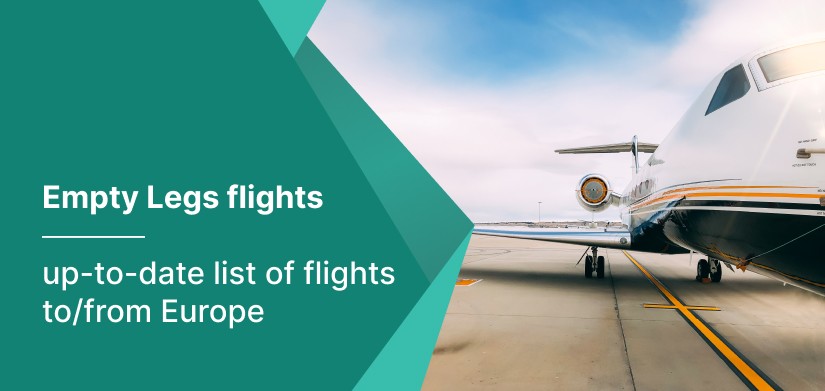
Few private jets stay in Nepal, and one that drops a group in Kathmandu usually leaves after a day or two. Typical patterns:
Write to empty-legs@jets.flights with the direction, a range of dates and the passenger list.
Flying with a dog or cat
A pet can come to Nepal on a private jet, but the papers must be ready early, and the return to Europe is the harder part:
- Microchip and rabies vaccination given between 30 days and 12 months before arrival.
- Health certificate from a government vet, issued no more than ten days before arrival.
- Entry through Kathmandu; the airport's quarantine office receives the flight details, passport, certificate and vaccination record at least 72 hours ahead.
- In the mountains the helicopter operators set their own rules, so onward transport for the animal is agreed separately.
Visa, customs and travel rules
A flight to Kathmandu leaves the Schengen area, so there is a passport check when you leave Europe as well as on landing.
Checklist
- Passports valid six months with two blank pages; visa form completed online or visa obtained in advance.
- Passenger and crew data for the CAAN permit, two to three weeks ahead.
- The airport you need: Kathmandu, Bhairahawa for Lumbini or Pokhara for Annapurna.
- Arrival time before 00:30 local time in Kathmandu.
- Number and size of kit bags for the hold.
- Travel insurance covering trekking altitude and helicopter evacuation.
How to book
- Send the dates, number of passengers, region and any trek, helicopter flight or Bhutan leg.
- We find an operator whose captain is trained for Kathmandu and compare a stop in the Gulf with a non-stop long-range jet.
- You receive offers with operator, aircraft, cabin photos, flight time and price, with helicopters, parking and crew costs listed separately.
- After you sign and pay, the agent in Kathmandu files the CAAN permit and books parking and handling.
- On arrival the handler takes you through immigration and customs; the helicopter or domestic flight leaves the next morning.
Questions about private flights to Nepal
-
- How much does a private jet to Nepal cost?
-
From Larnaca a Praetor 600 flies non-stop to Kathmandu for EUR 51,000 one way for the whole aircraft. From Vienna the same jet with one stop costs EUR 74,000, from London EUR 85,000, and a Global 6000 non-stop from London EUR 130,000.
-
- Can we fly non-stop from London?
-
Yes, in a long-range jet: London Farnborough - Kathmandu takes 10:24 h in a Global 6000. Super midsize and heavy jets refuel once in the Gulf.
-
- Why does the crew need special training?
-
Kathmandu sits in a valley ringed by hills and has no ILS, so the captain of a foreign aircraft must have simulator training in its procedures. We confirm this with the operator before the offer.
-
- How far ahead should we book?
-
Two to three weeks at least: the AIP asks for the landing application 15 working days ahead, and during Dashain and Tihar offices close.
-
- Can we land late at night?
-
Customs and fuel in Kathmandu work from 06:00 to 00:30 local time, so the departure from Europe is planned backwards from that window.
-
- How do we get to Everest?
-
By helicopter from Kathmandu: about 50 minutes to Lukla in good weather, flown early in the morning, with a spare day for cloud.
-
- Can we fly straight to Pokhara or Lumbini?
-
Bhairahawa, for Lumbini, is an airport of entry with a 3,000 m runway. Pokhara has a 2,500 m runway, but customs there is confirmed in writing for each date.
-
- Do we need a visa?
-
Yes. EU and UK citizens usually take a visa on arrival after filling in the online form up to 15 days ahead; passports need six months' validity.
-
- What is the best season?
-
October to December for clear views, and March to May for the spring treks and Everest expeditions. The monsoon from mid-June to September brings cloud and delays.
-
- Can our dog come along?
-
Yes, with a microchip, a rabies vaccination 30 days to 12 months old, a health certificate issued within ten days and notice to the airport quarantine office 72 hours ahead.
-
- Can the jet wait while we trek?
-
Rarely: Kathmandu has 17 international parking positions and no hangars for visiting aircraft. For two or three weeks the aircraft flies home and comes back.
The aviation expert will answer all your questions about business aviation and private flights. We will help you to compare and choose the best business jet for your flight.